4 reasons the mall is Gen Z’s favorite place to hang out
For a generation raised on algorithmic feeds, group chats, and on-demand everything, the most surprising place Gen Z is choosing to spend time together may be the most analog one of all: the shopping mall.
A nationally representative study conducted in March 2026 by Sunnie, Hello Sunshine’s Gen Z-focused media and lifestyle brand, in partnership with Westfield Rise, finds that 73% of Gen Z respondents say the mall is the top place they go to spend time with friends, outranking parks, restaurants, and even each other’s homes.
The numbers land alongside a broader wave of industry data pointing in the same direction. Projections from research firm Circana show that by 2030, Gen Z and Millennials will dominate the U.S. population and drive 60% of retail sales growth. NielsenIQ projects Gen Z retail spending will surpass $12 trillion globally by 2030, with growth outpacing every other generation.
4 Reasons Gen Z Is Choosing Malls as Their Favorite Place to Hang Out
Here are four reasons the mall has become Gen Z’s favorite place to hang out and what it signals about a generation choosing physical spaces over digital ones.

1. They’re looking for connection beyond the screen
The shift toward in-person gathering comes amid a well-documented rise in social isolation among young people. In 2023, the U.S. surgeon general declared loneliness a public health epidemic. A 2025 Cigna survey found that 67% of Gen Z adults reported feeling lonely, which is the highest proportion of any generation.
For a generation that came of age during remote schooling, algorithmic media, and pandemic-era isolation, the appeal of physical gathering spaces is not nostalgic but instead practical. According to Sunnie and Westfield’s research, 72% of respondents said they would still visit the mall even if they could not buy anything, suggesting that the draw is less about consumption than about shared experience. Rather than structured activities or ticketed events, many respondents described valuing spaces where they could stay for hours, move freely between environments, and spend time together without pressure to plan or spend.
Sociologist Ray Oldenburg coined the term “third space” in 1989 to describe locations beyond home and work, such as cafés, barbershops, and bookstores that foster informal social interaction. For decades, malls performed that role for American teenagers. As screens have become the default setting for nearly every aspect of daily life, Gen Z appears to be actively seeking out the in-person moments that digital environments cannot replicate.

2. The mall beats social for brand discovery
In an era defined by social media-driven discovery, research has surfaced a counterintuitive pattern. A majority of consumers (70%) are more likely to discover new brands in malls, according to Westfield’s How We Shop: The Next Decade study, a global retail trends report examining how consumers find and engage with brands, versus social media platforms. According to that same research, 59% say physical retail inspires them more than online.
In effect, the mall is functioning as an offline group chat where decisions aren’t shaped by algorithms, but by the people you’re with. Visitors arrive without a strict agenda and make choices based on atmosphere, curiosity, and social cues. Research on sensory marketing shows that physical environments drive higher rates of unplanned purchasing than digital-only touchpoints, in part because they activate emotional and social responses that screens cannot replicate. Quad/Graphics and The Harris Poll released a cross-generational study last year detailing widespread consumer desire for more in-real-life brand experiences. The report, The Return of Touch, shows consumer values rebalancing toward physical, tangible connections and the benefits to brands. Nearly all of Gen Z and millennials (86%) said “touching and feeling products are essential to my purchase decisions.”
3. Retailers are designing spaces for hanging out, not just shopping
As Gen Z’s preferences shift, so does the physical environment they’re walking into. Across the country, retailers are rethinking what their spaces need to do and increasingly, the answer is to keep people there longer, not just move them through a transaction.
Pacsun, a youth-focused apparel retailer, is opening 35 new locations over three years, its first major expansion in nearly two decades. But the strategy is not simply about adding square footage. CEO Brie Olson told The Wall Street Journal that the decision reflects renewed interest from Gen Z shoppers in mall environments as social destinations.
Lululemon’s 17,000-square-foot SoHo flagship in Manhattan, which opened in late 2025, is designed around community programming — free fitness classes, local ambassador boards, and product personalization areas. The company has said it plans to adapt additional locations using that model. The common thread is clear: For these retailers, the metric appears to be shifting from transactions per square foot to time spent and experiences created.
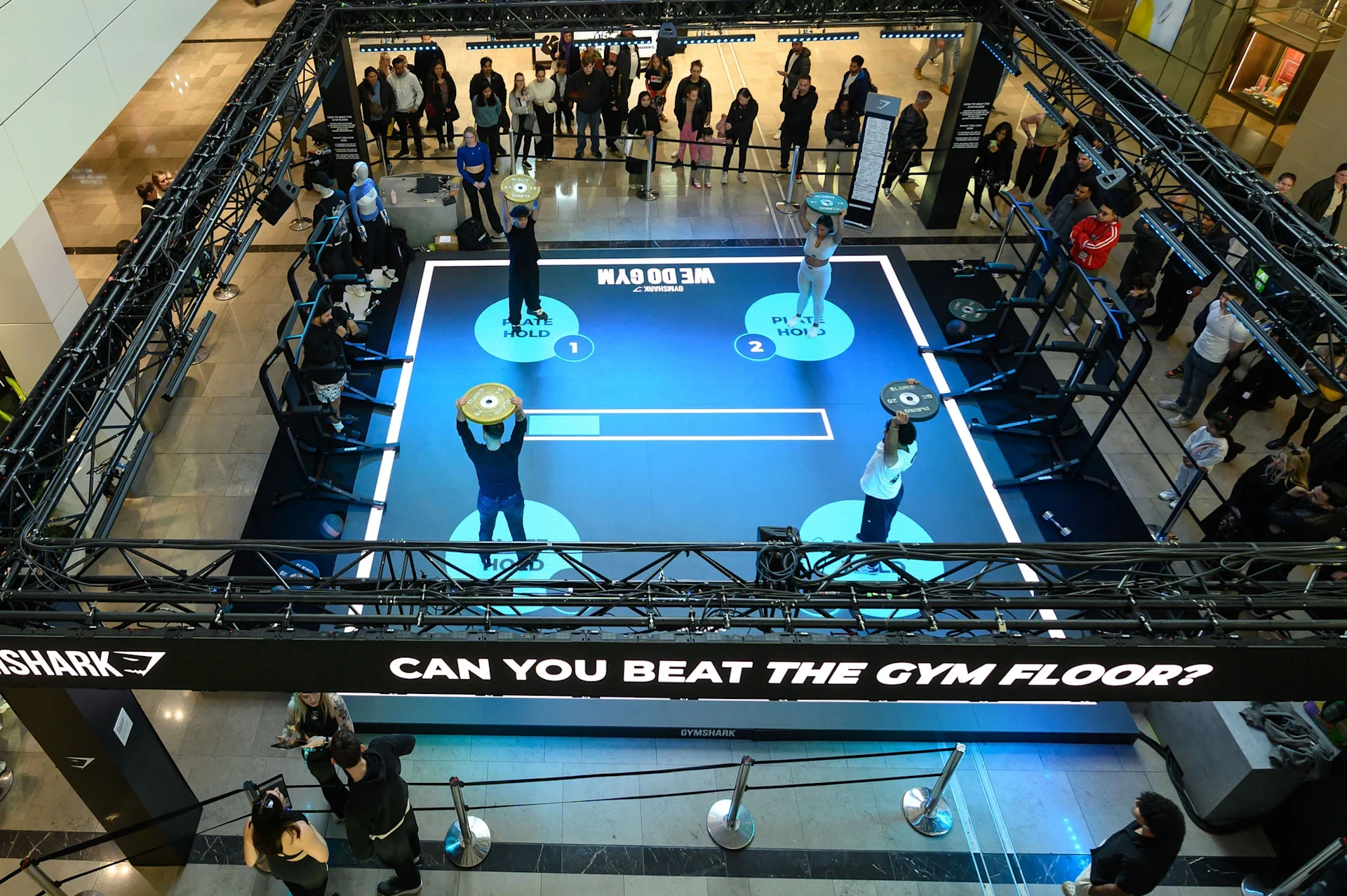
Disney transformed the mall atrium into a runway-style experience for the premiere of “Devil Wears Prada 2” and extended the glam beyond the event itself. “Fashion Emergency” vending kiosks popped up at select theaters nationwide, offering complimentary beauty and styling products like makeup and hairspray, to help moviegoers elevate their night out.

Brands are turning malls into stages for culture, not just commerce
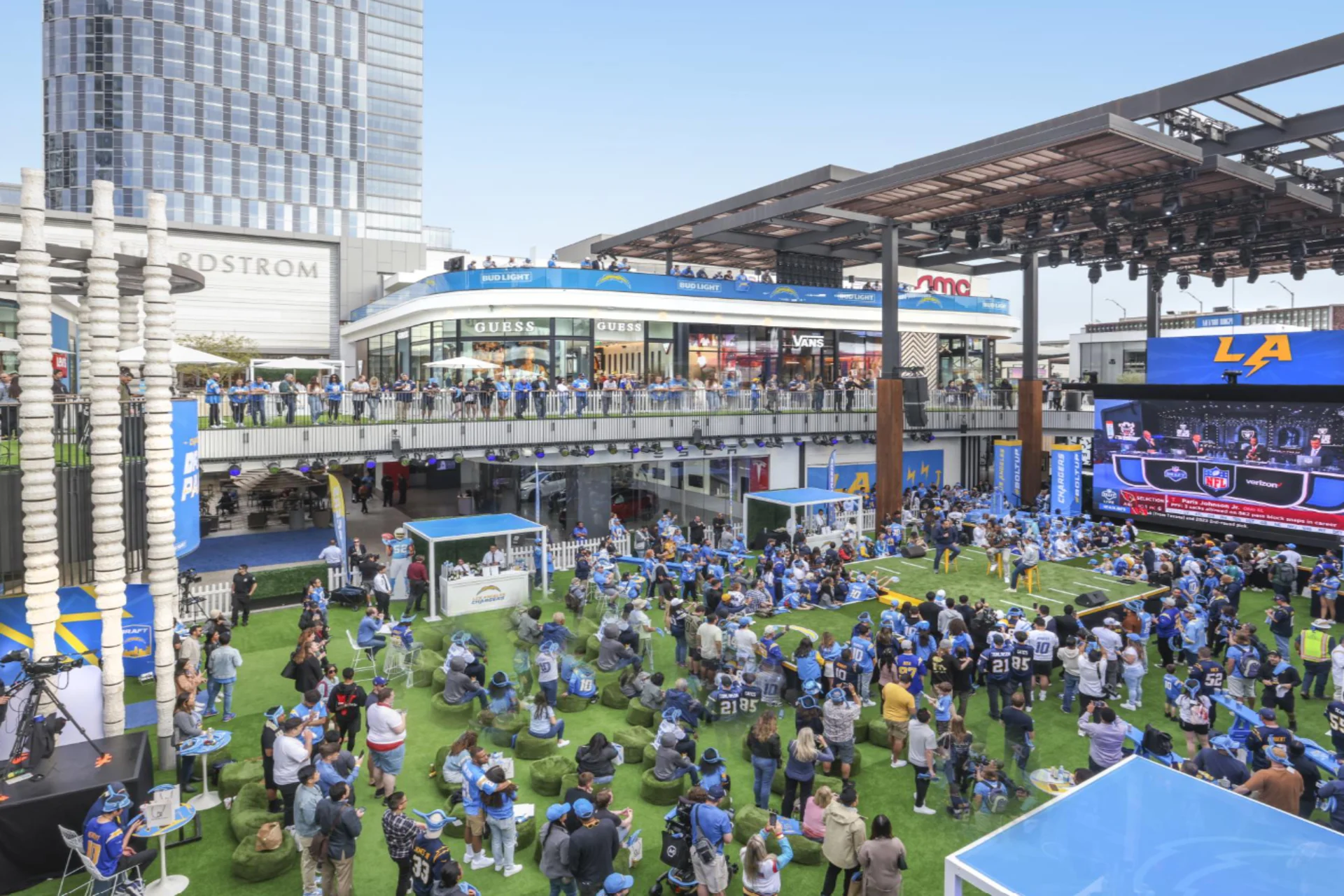
Experiential formats are extending beyond apparel. Beauty and entertainment brands have increasingly used temporary, participation-focused installations to translate online culture into physical interaction.
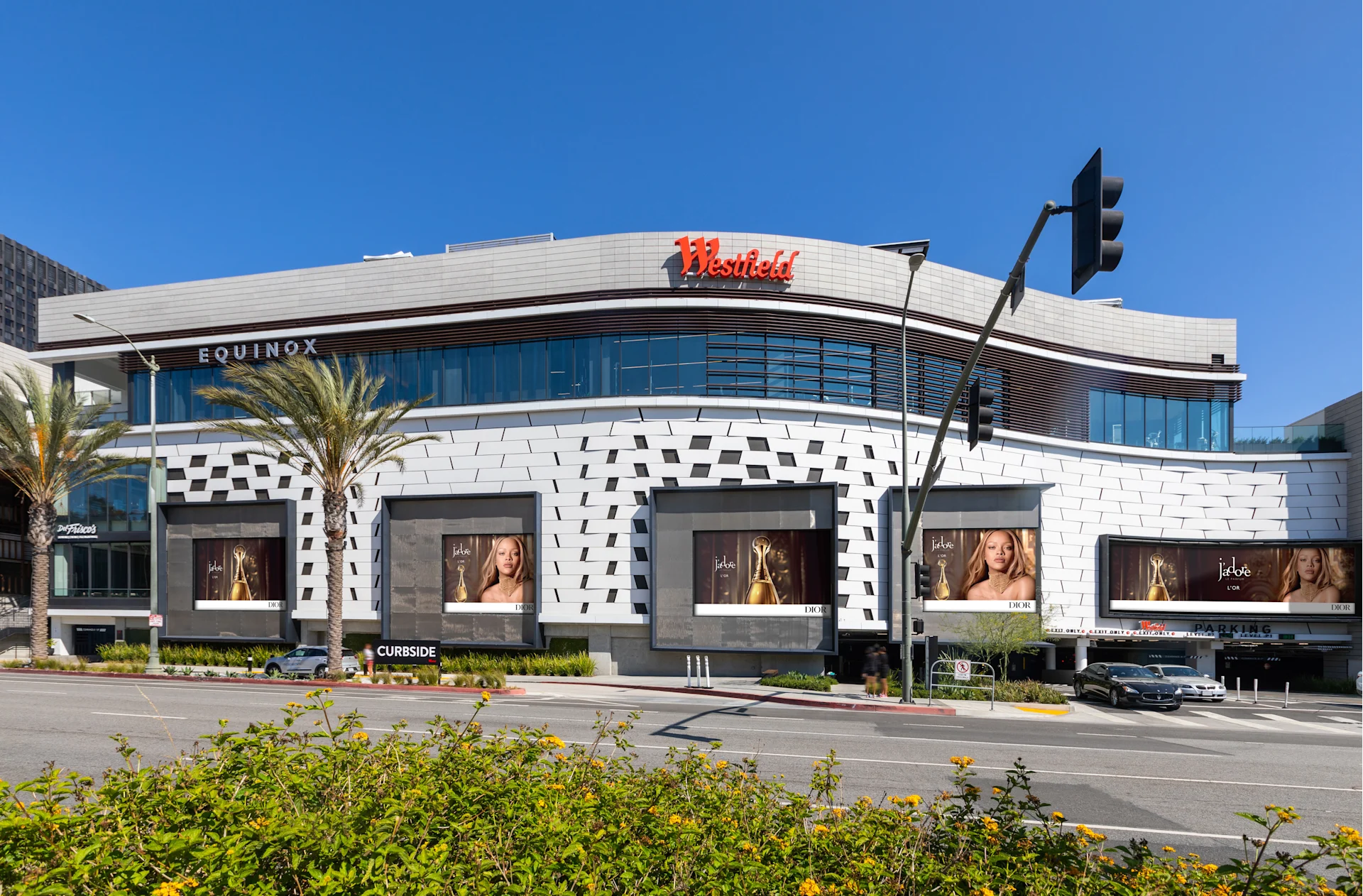
At Westfield Century City in Los Angeles, skincare brand Josie Maran hosted a sensory-driven sampling experience that drew thousands of visitors over a weekend. Pinterest and NYX Professional Makeup collaborated on an in-person pop-up inspired by trending digital aesthetics, designed to encourage experimenting and sharing in real time.
Entertainment companies have made similar moves. Apple TV hosted an immersive public installation tied to its programming that encouraged visitors to co-create custom merchandise, drawing more than 20,000 participants over two weekends. Music artist Billie Eilish’s multi-day pop-up ahead of film screenings drew fans less for merchandise than for the opportunity to take part in a live, shared cultural moment.
Clearly, participation now matters more than observation. That preference is reflected in the research findings, with 87% of respondents saying they want brands to involve them in the creative process, according to Hello Sunshine and Westfield Rise’s report. A 2024 global survey from Interpublic’s Momentum Worldwide shows 83% of consumers expressed a higher appreciation for brands that promote genuine connections with communities, and 75% feel a sense of belonging by connecting with fellow fans of the same brand.

The investment is following the foot traffic
Broader marketing trends suggest the industry is taking notice. Experiential and sponsorship spending saw the largest budget increase of any offline channel between 2024 and 2025, growing by more than 7% according to Winterberry Group. In 2026, the Interactive Advertising Bureau reported that 41% of U.S. ad buyers expected to increase their focus on in-person and experiential marketing that year.
The growth is not evenly distributed. Reporting from PYMNTS shows that top-tier malls in higher-income areas continue to outperform lower-quality centers, suggesting that foot traffic alone isn’t enough. Destinations that succeed tend to offer a mix of social, cultural, and experiential elements that reward time spent, not just transactions.
For Gen Z, the draw to shared physical spaces appears to be deliberate rather than nostalgic. The research suggests they are choosing environments that value atmosphere and help foster connection.
Methodology
The Comeback of the Hangout study combined three research methods: in-person mall intercepts with Gen Z women ages 13 to 29 at Westfield Century City in Los Angeles (N=86); a nationally representative survey fielded by YPulse (N=1,500; ages 13 to 39, with results reported for a subset of women ages 13 to 29); and a rapid-response national survey fielded by Suzy (N=940; women ages 18 to 29). Data was collected in December 2025 and March 2026.
Author: Julie Wolvek, Director, Sales Strategy US Westfield Rise This story was produced by Westfield Rise and reviewed and distributed by Stacker. This article is based on research conducted in partnership with Sunnie (Hello Sunshine) and reviewed by the Westfield Rise Insights Team.