
Why brands are bringing major sporting moments into real-world spaces
This Summer has once again demonstrated the extraordinary power of sport to capture attention, create emotion, and bring communities together. From the FIFA World Cup to Wimbledon, Hyrox and national basketball competitions, the biggest sporting moments no longer exist solely in stadiums or on television screens. Increasingly, they are being experienced where people shop and socialise.
For decades, sports marketing was dominated by sponsorships and broadcast partnerships. Today, audiences expect brands to go even further. Fans want to participate, engage, and share experiences, not simply consume them. The result is a growing move towards experiential activations that bring sporting moments into physical environments.
Across Europe, we've seen brands embrace this opportunity in different ways.
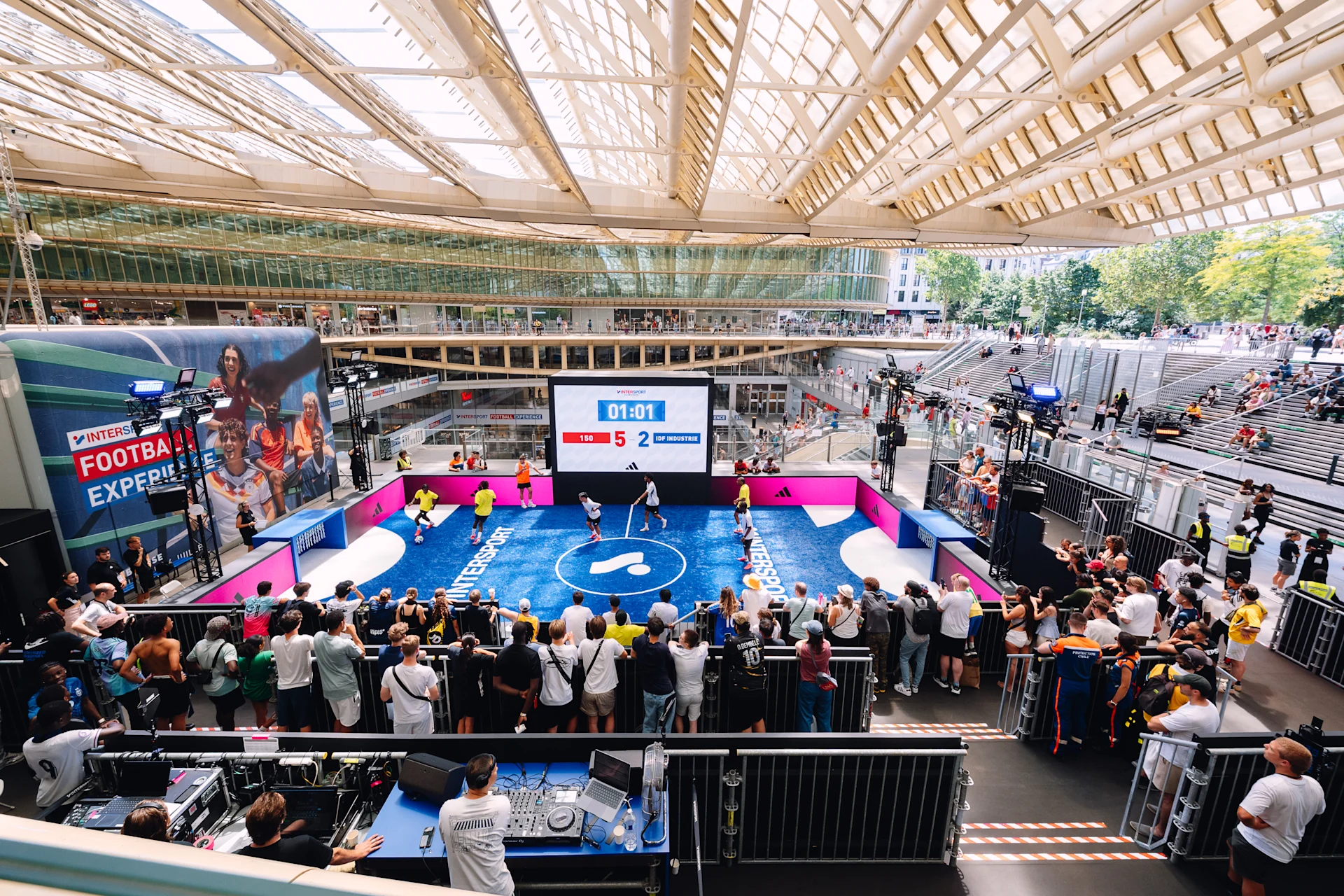
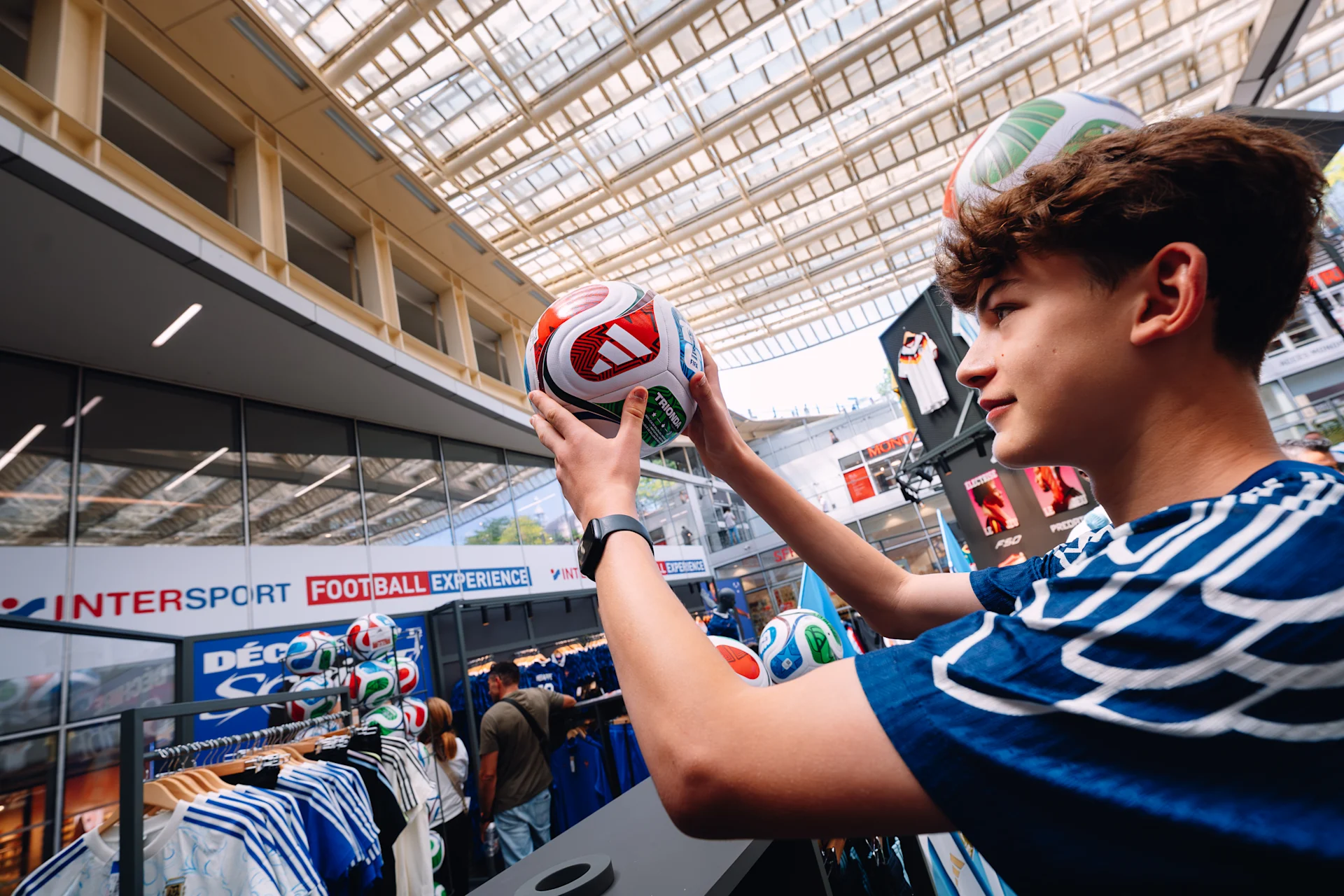
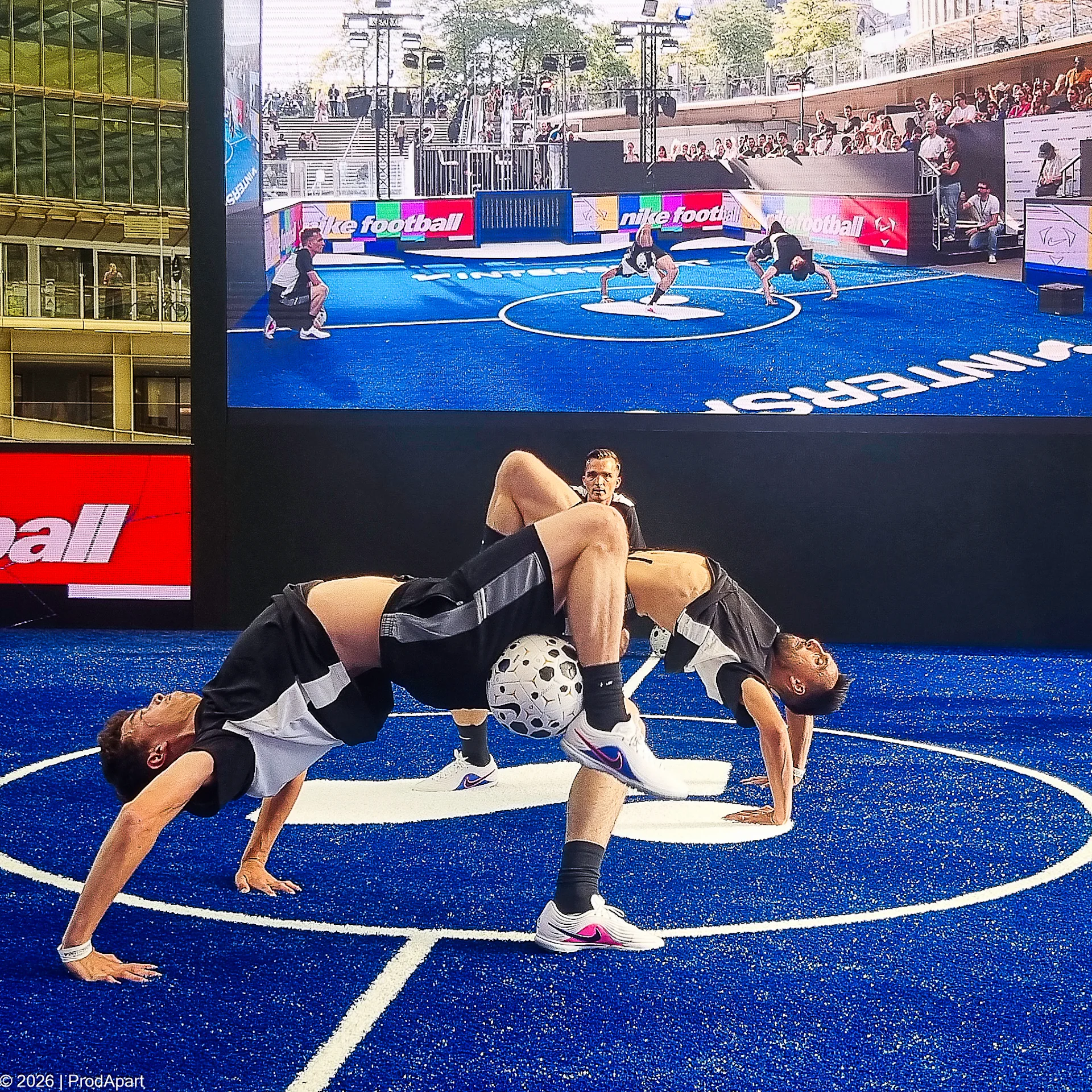
In France, Intersport transformed Westfield Forum des Halles into a World Cup-focused Club House, combining sport, entertainment, retail, and community engagement. The activation recognised the fact that fans want to go beyond watching the sport they love, they want to immerse themselves in it.
Similarly, Coca-Cola's World Cup activity extended beyond traditional advertising to create physical interactions and collectible experiences that connected supporters with the tournament in new ways. Marketing around the competition increasingly focused on participation rather than passive awareness.
The same trend is visible across Westfield destinations.
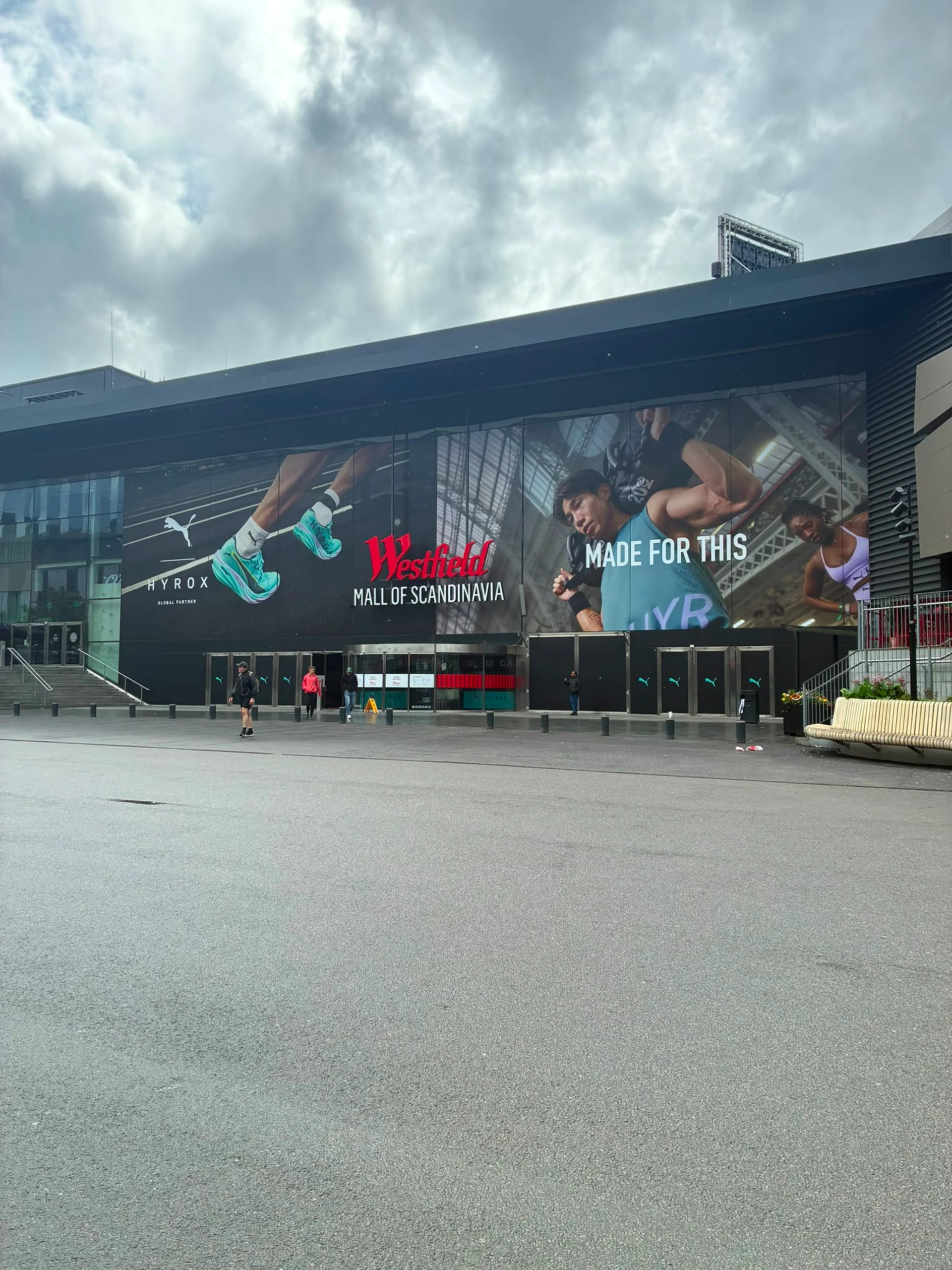
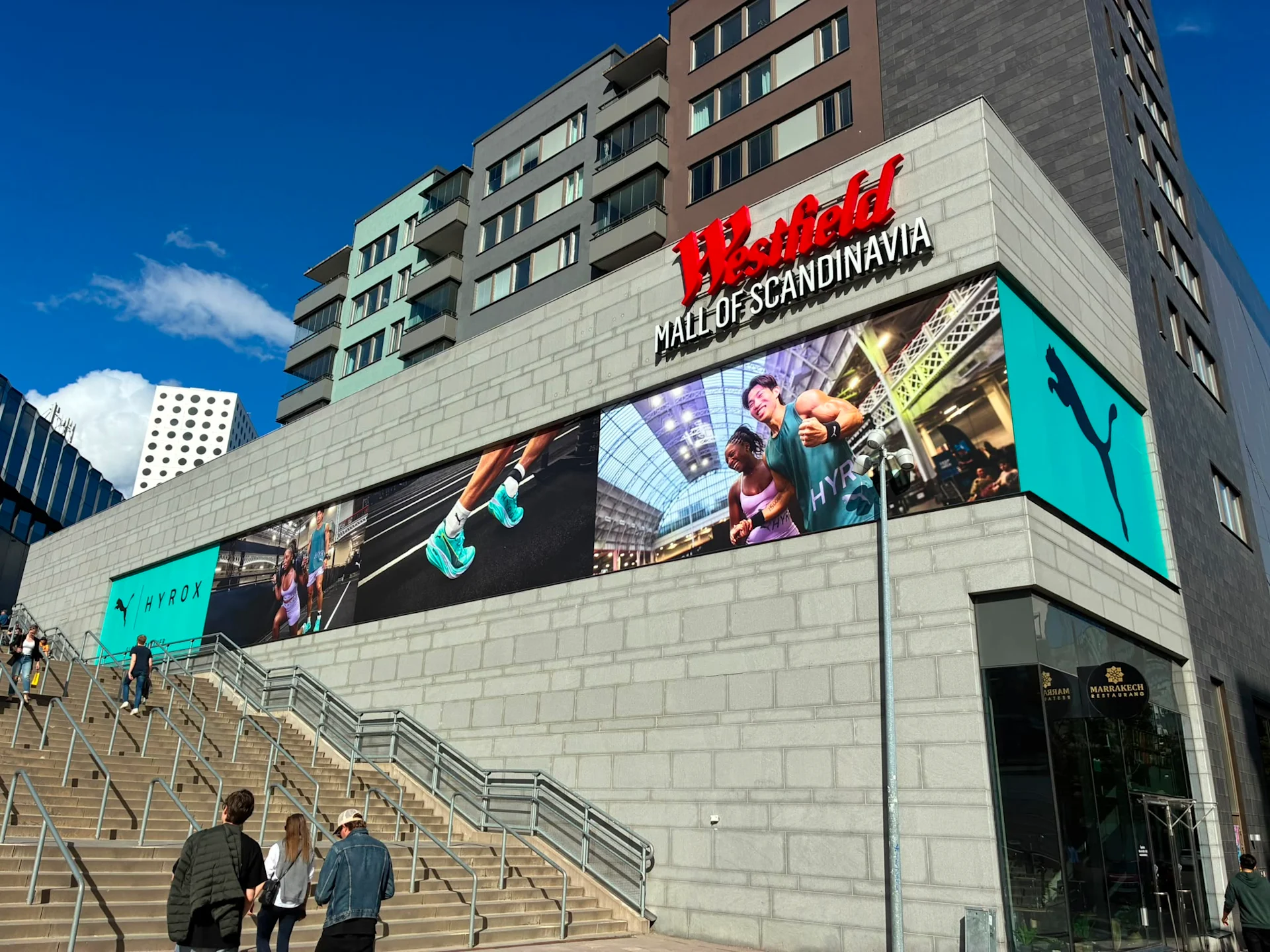
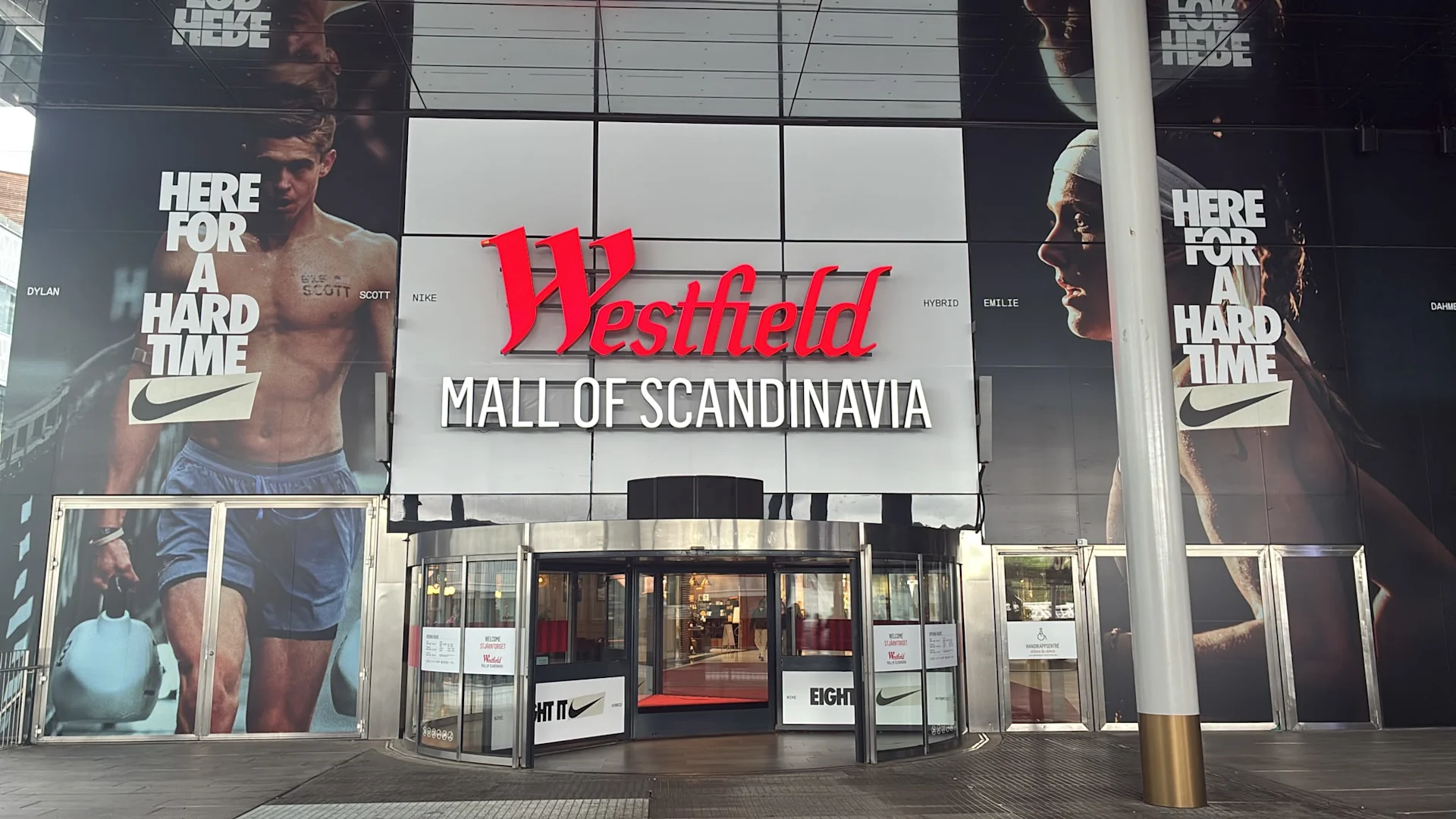
From football-themed pop-ups and fan experiences to Hyrox activations from Adidas, Nike and Puma, brands are recognising that major sporting moments create an opportunity to engage audiences in environments where they are already primed to spend time, discover new products and share experiences with others.
But successful activations require more than simply reacting to a fixture calendar.
Modern sport is unpredictable. Teams qualify unexpectedly, athletes emerge from nowhere, storylines shift overnight. The most effective activations are therefore built around flexibility, allowing brands to adapt creative, messaging, and experiences in real time as the conversation evolves.
We've seen this firsthand through campaigns that were designed with multiple scenarios in mind, enabling brands to move quickly regardless of who won, lost, or qualified. Agility is becoming just as important as creativity.
What connects the most successful activations is their ability to extend fandom beyond the event itself. They create spaces where supporters can gather, celebrate, compete, and connect. They transform footfall into participation and attention into memorable experiences.
As sporting calendars continue to grow, the opportunity for brands is clear. The winners will be those that understand that today's fans don't just want to watch the action.
They want to be part of it.
We’re proud to be helping brands turn cultural moments into measurable real-world experiences across Europe's leading retail and lifestyle destinations. If you want to explore how your brand can tap into the next major sporting moment, then get in touch.